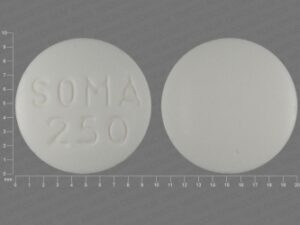

Somas have become a widely discussed topic in the United States, especially among people seeking relief from muscle pain, stress, and daily fatigue. Understanding what somas are, how they work, and their proper usage is essential for safe and effective results. In this comprehensive guide, we’ll cover everything from beginner knowledge to advanced insights about somas, including benefits, risks, best practices, and expert tips for U.S. users.
Somas, also referred to as carisoprodol, are prescription medications primarily used to relieve muscle pain and discomfort. They are commonly prescribed in the U.S. to treat conditions such as:
-
Acute musculoskeletal pain
-
Muscle spasms from injuries
-
Back pain or neck strains
Somas work by targeting the central nervous system to relax muscles, reduce tension, and improve mobility. Unlike over-the-counter pain relievers, somas require careful dosage and monitoring by a healthcare professional due to potential side effects and dependency risks.
The active ingredient in somas acts as a muscle relaxant, working centrally in the brain and spinal cord. It doesn’t directly target the muscles but affects the communication between nerves and muscles, which reduces involuntary contractions and eases discomfort.
Key points about somas’ mechanism:
-
Central Nervous System Effect: Calms nerve signals that trigger muscle tension
-
Temporary Relief: Best used for short-term episodes of acute pain
-
Adjunct to Therapy: Often combined with rest, physical therapy, or other pain management strategies
Somas offer several advantages when used responsibly under medical guidance:
-
Rapid Relief from Muscle Pain: Helps patients regain mobility quickly
-
Supports Physical Therapy: Makes exercise and rehabilitation easier
-
Improves Sleep Quality: Relaxed muscles can reduce nighttime discomfort
-
Reduces Stress from Chronic Tension: Helps manage stress-related muscle tightness
Many U.S. adults with occupational muscle strain—such as construction workers, office employees, or athletes—report faster recovery when somas are combined with rest and physical therapy.
Common uses of somas include:
-
Back pain relief from acute lower or upper back strains
-
Neck and shoulder tension, especially for office workers or drivers
-
Post-injury recovery after minor sprains or muscle injuries
-
Temporary relief in chronic conditions like fibromyalgia, under supervision
Tip: Somas should never replace long-term pain management plans. They are most effective when combined with lifestyle adjustments.
While effective, somas come with potential side effects that U.S. users should be aware of:
-
Common Side Effects: Drowsiness, dizziness, headache, nausea
-
Serious Risks: Dependency, withdrawal symptoms, allergic reactions
-
Interaction Warnings: Should not be combined with alcohol or sedatives
It’s crucial to follow a doctor’s prescription carefully and never exceed recommended doses.
To maximize benefits while minimizing risks, follow these expert tips:
-
Follow prescribed dosage; avoid self-adjusting doses
-
Use for short-term relief, typically 2–3 weeks
-
Avoid alcohol to reduce risk of sedation and accidents
-
Monitor side effects and report dizziness, confusion, or unusual reactions
-
Combine with therapy such as physical therapy or stretching
Common mistakes to avoid when using somas:
-
Taking more than prescribed
-
Using somas for long-term chronic pain
-
Ignoring interactions with other medications
-
Driving or operating machinery while drowsy
Avoiding these mistakes ensures safe, effective use.
Comparison of somas with other muscle relaxants:
-
Somas (Carisoprodol): Onset 30–60 min, duration 4–6 hours, moderate risk of dependency, best for acute pain & spasms
-
Cyclobenzaprine: Onset ~1 hr, duration 8–12 hours, low dependency risk, best for chronic tension
-
Methocarbamol: Onset 30–60 min, duration 4–6 hours, low dependency risk, general muscle pain
Somas are preferred for short-term acute pain, whereas others may suit chronic conditions better.
Actionable tips for maximizing somas effectiveness:
-
Take on an empty stomach for faster absorption
-
Use with gentle stretching to prevent stiffness
-
Track usage to avoid accidental overdose
-
Stay hydrated to reduce side effects like headache or dizziness
-
Frequently asked questions about somas:
-
What are somas used for in the USA?
Somas are primarily prescribed for acute muscle pain, spasms, and post-injury recovery in U.S. patients. -
Are somas safe for long-term use?
No. Somas are intended for short-term relief. Long-term use increases dependency risks. -
Can I take somas with other pain medications?
Only under medical supervision. Mixing somas with alcohol, opioids, or sedatives can be dangerous. -
How quickly do somas work?
Most U.S. users feel relief within 30–60 minutes after ingestion. -
What should I do if I miss a dose of somas?
Take it as soon as you remember, but skip it if the next scheduled dose is near. Never double-dose. -
Can somas help with chronic back pain?
They can provide temporary relief but are not a substitute for long-term treatment strategies. -
Are somas addictive?
There is a moderate risk of dependency if used improperly. Always follow the prescribed duration and dosage.
Somas are a powerful tool for managing acute muscle pain and spasms when used responsibly. U.S. users benefit most when they combine somas with physical therapy, proper rest, and lifestyle adjustments. By understanding the mechanism, following best practices, and avoiding common mistakes, you can safely integrate somas into your pain management plan. Always consult a healthcare provider before starting or adjusting your somas regimen.
Key takeaways:
-
Somas provide quick relief for acute muscle pain
-
Short-term use under prescription is safest
-
Avoid alcohol and monitor side effects carefully
-
Combine with therapy and lifestyle changes for best results