Soma withdrawal can be uncomfortable—and in some cases, dangerous—if not handled properly. Many people in the United States are prescribed Soma for muscle pain, but few are warned about what can happen when they stop taking it suddenly. If you or someone you love is experiencing soma withdrawal, understanding the symptoms, timeline, and safe treatment options is critical.
This in-depth guide explains everything you need to know about soma withdrawal—from early warning signs to medical detox strategies—so you can make informed, safe decisions.
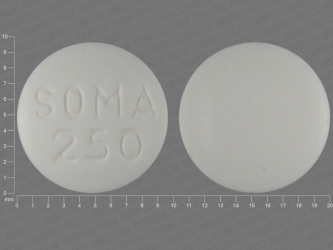
Soma is the brand name for Carisoprodol, a prescription muscle relaxant used to treat short-term muscle pain and discomfort. It is often prescribed after injuries such as sprains, strains, or back pain.
Doctors may prescribe Soma for:
-
Acute lower back pain
-
Muscle spasms
-
Sports injuries
-
Post-surgical muscle discomfort
Soma works by affecting communication between nerves in the central nervous system. It creates a sedative effect, which helps relax muscles.
Carisoprodol breaks down into meprobamate, a substance with sedative and anti-anxiety effects. This increases the risk of dependence and makes soma withdrawal possible after prolonged use.
Soma withdrawal occurs when the body becomes physically dependent on carisoprodol. Over time, the brain adjusts to the drug’s presence. When you suddenly stop taking it, your nervous system reacts.
This reaction causes soma withdrawal symptoms.
The risk increases if:
-
You take Soma longer than 2–3 weeks
-
You use high doses
-
You mix it with alcohol or opioids
-
You have a history of substance misuse
In the United States, Soma is classified as a Schedule IV controlled substance because of its potential for abuse and dependence.
Soma withdrawal symptoms can range from mild discomfort to severe medical complications. Symptoms typically begin within hours after the last dose.
Mild to moderate soma withdrawal symptoms include:
-
Anxiety
-
Insomnia
-
Headaches
-
Nausea
-
Tremors
-
Muscle twitching
-
Sweating
-
Irritability
These symptoms can feel similar to alcohol or benzodiazepine withdrawal.
Severe soma withdrawal symptoms may include:
-
Hallucinations
-
Seizures
-
Confusion
-
Rapid heart rate
-
High blood pressure
-
Severe agitation
If seizures or hallucinations occur, immediate medical attention is required.
The soma withdrawal timeline varies based on dosage, length of use, and overall health.
Here is a general timeline:
6–12 hours after last dose:
-
Anxiety begins
-
Restlessness
-
Mild tremors
24–72 hours:
-
Symptoms peak
-
Insomnia worsens
-
Nausea and sweating intensify
-
Risk of seizures increases
3–7 days:
-
Physical symptoms improve
-
Psychological symptoms remain
1–2 weeks:
-
Sleep disturbances may continue
-
Anxiety gradually decreases
Some individuals may experience prolonged psychological symptoms known as post-acute withdrawal.
Certain people face higher risks during soma withdrawal:
-
Long-term users (over several months)
-
High-dose users
-
Individuals combining Soma with opioids or alcohol
-
People with prior seizure disorders
-
Those with a history of benzodiazepine or alcohol withdrawal
Medical supervision is strongly recommended for these groups.
Not all muscle relaxants cause the same level of withdrawal symptoms.
Cyclobenzaprine (Flexeril) does not typically cause severe withdrawal like Soma. It is less associated with dependency.
Baclofen can cause withdrawal symptoms if stopped abruptly, including seizures and hallucinations—similar to soma withdrawal.
Soma tends to have higher abuse potential due to its metabolite, meprobamate.
Never stop Soma abruptly without medical advice.
The safest way to prevent soma withdrawal is through a gradual taper. A healthcare provider reduces your dose slowly over days or weeks.
For moderate to severe dependence, inpatient or outpatient medical detox may be recommended.
Benefits of medical detox include:
-
24/7 monitoring
-
Seizure prevention
-
Medication support
-
Safer withdrawal process
Avoid alcohol and other sedatives during soma withdrawal. Combining substances increases severity and risk of complications.
Support your body with:
-
Plenty of water
-
Balanced meals with protein
-
Proper sleep routine
-
Electrolyte balance
Soma withdrawal treatment may include medication support. Doctors may prescribe:
-
Short-term benzodiazepines for seizure prevention
-
Anti-nausea medications
-
Sleep aids
-
Blood pressure stabilizers
Behavioral support can also help:
-
Cognitive behavioral therapy (CBT)
-
Substance abuse counseling
-
Peer support groups
Inpatient treatment is best for severe soma withdrawal cases. Outpatient care may be appropriate for mild symptoms under supervision.
Consider a real-world example. A 42-year-old construction worker in Texas was prescribed Soma for back pain after an injury. After three months of use, he stopped suddenly.
Within 24 hours, he experienced anxiety, tremors, and insomnia. By day two, he developed confusion and severe agitation.
He sought emergency care, where doctors diagnosed soma withdrawal and began supervised detox. This scenario is not uncommon in the United States, especially when patients are not warned about dependency risks.
Pros of Soma use:
-
Effective short-term muscle pain relief
-
Fast-acting relaxation
-
Helpful for acute injuries
Cons of Soma use:
-
High risk of dependence
-
Soma withdrawal can be severe
-
Sedation impairs driving
-
Dangerous when mixed with alcohol
Common mistakes during soma withdrawal include:
-
Quitting cold turkey
-
Self-medicating with alcohol
-
Ignoring early symptoms
-
Not seeking medical advice
Sudden discontinuation increases seizure risk. Even mild soma withdrawal symptoms should be discussed with a healthcare provider.
Best practices for preventing soma withdrawal include:
-
Use Soma only short-term (2–3 weeks)
-
Follow exact dosing instructions
-
Do not increase dosage without approval
-
Discuss tapering plans early
-
Avoid mixing with other depressants
Doctors often recommend alternative pain management strategies such as physical therapy, non-opioid pain relievers, stretching, and strengthening programs.
If soma withdrawal is unmanaged, risks increase.
Possible long-term effects include:
-
Seizures
-
Relapse into misuse
-
Worsening anxiety or depression
-
Hospitalization
Chronic dependence may lead to substance use disorder.
Seek emergency care if soma withdrawal includes:
-
Seizures
-
Hallucinations
-
Severe confusion
-
Chest pain
-
Uncontrolled vomiting
These are medical emergencies.
Frequently Asked Questions (FAQs) About Soma Withdrawal
FAQ 1: How long does soma withdrawal last?
Soma withdrawal usually lasts 3–7 days for physical symptoms. Psychological symptoms may continue for 1–2 weeks depending on severity and length of use.
FAQ 2: Is soma withdrawal dangerous?
Yes, soma withdrawal can be dangerous. Severe cases may involve seizures or hallucinations, which require medical supervision.
FAQ 3: Can you quit Soma cold turkey without soma withdrawal?
Quitting Soma cold turkey often triggers soma withdrawal symptoms. A medically supervised taper is safer and strongly recommended.
FAQ 4: What helps reduce soma withdrawal symptoms?
Gradual tapering, medical detox, hydration, proper nutrition, and short-term medications can reduce soma withdrawal symptoms safely.
FAQ 5: Does everyone experience soma withdrawal?
Not everyone experiences soma withdrawal. Risk increases with long-term use, high doses, or substance misuse history.
FAQ 6: Can soma withdrawal cause seizures?
Yes. Severe soma withdrawal can cause seizures, especially in individuals who stop abruptly after heavy or prolonged use.
FAQ 7: Can soma withdrawal be treated at home?
Mild soma withdrawal may be managed outpatient under medical supervision. Severe soma withdrawal should never be handled alone.
Soma withdrawal is a real and potentially serious condition that should never be ignored. While Soma can be effective for short-term muscle pain relief, prolonged use increases the risk of physical dependence.
The safest approach to preventing severe soma withdrawal is medical supervision and gradual tapering. If symptoms begin after stopping Soma, seek professional help immediately.
With the right support, soma withdrawal can be managed safely—and recovery is absolutely possible