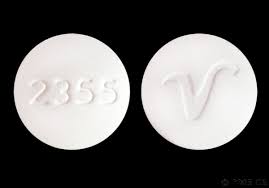


When comparing Ativan versus clonazepam, many US patients feel confused about which medication is safer, stronger, or more effective. Both are commonly prescribed for anxiety and seizure disorders, yet they work differently in the body.
Understanding the real differences between Ativan versus clonazepam can help you make informed decisions with your healthcare provider. This guide explains everything from beginner basics to advanced clinical insights — including benefits, risks, dosage, and best practices for US patients.
What Is Ativan Versus Clonazepam?
The comparison of Ativan versus clonazepam involves two benzodiazepine medications used to treat anxiety, panic disorders, and certain seizure conditions.
-
Ativan is the brand name for lorazepam.
-
Clonazepam is commonly known by its brand name Klonopin.
Both medications:
-
Belong to the benzodiazepine class
-
Work on GABA receptors in the brain
-
Have calming, sedative effects
-
Require prescription in the United States
However, their onset time, duration, and clinical use cases differ significantly.
How Ativan Versus Clonazepam Work in the Brain
Both medications enhance the effect of GABA (gamma-aminobutyric acid), a neurotransmitter that reduces brain activity, promotes calmness, and decreases nerve firing.
Key Difference in Duration:
-
Ativan: Short-to-intermediate acting
-
Clonazepam: Long-acting
This difference plays a major role in treatment decisions.
Approved Uses in the US
Ativan (Lorazepam) Uses:
-
Acute anxiety episodes
-
Panic attacks
-
Insomnia related to anxiety
-
Pre-surgery sedation
-
Status epilepticus (emergency seizures)
Clonazepam Uses:
-
Panic disorder
-
Long-term anxiety management
-
Seizure disorders (including absence seizures)
-
Certain movement disorders
Clonazepam’s longer half-life makes it more suitable for ongoing treatment.
Onset and Duration
| Feature | Ativan | Clonazepam |
|---|---|---|
| Onset | 20–60 minutes | 30–60 minutes |
| Peak Effect | 1–2 hours | 1–4 hours |
| Duration | 6–8 hours | 8–12+ hours |
| Half-Life | ~12–15 hours | ~30–40 hours |
What This Means for Patients:
-
Ativan is better for sudden anxiety spikes.
-
Clonazepam is better for all-day symptom control.
Dosage Comparison
Typical Ativan Dosage (US):
-
Anxiety: 2–6 mg per day (divided doses)
-
Acute panic: As prescribed, often lower initial dose
Typical Clonazepam Dosage (US):
-
Panic disorder: 0.25 mg twice daily (starting dose)
-
Maintenance: 1–2 mg daily
-
Seizures: Varies by condition
Important: Never switch or adjust dosage without medical supervision.
Benefits of Ativan Versus Clonazepam
Benefits of Ativan:
-
Fast-acting relief
-
Effective in emergencies
-
Shorter duration reduces next-day sedation
Benefits of Clonazepam:
-
Longer-lasting control
-
Fewer daily doses required
-
Better for chronic anxiety disorders
Side Effects
Common side effects for both:
-
Drowsiness
-
Dizziness
-
Confusion
-
Memory issues
-
Coordination problems
Serious Risks:
-
Dependence and addiction
-
Withdrawal symptoms
-
Respiratory depression (especially with opioids)
Both carry FDA boxed warnings for misuse and dependence.
Addiction and Dependence Risk
Both Ativan and Clonazepam can cause physical dependence. They should not be stopped abruptly and require tapering under supervision. Ativan may carry slightly higher misuse potential due to its faster onset, but both are Schedule IV controlled substances in the US.
Use for Anxiety
For generalized anxiety disorder:
-
Clonazepam is often preferred for long-term control.
-
Ativan is used for breakthrough anxiety.
For panic disorder:
-
Clonazepam is chosen for prevention.
-
Ativan helps during sudden panic episodes.
Use for Seizures
In emergency seizure situations:
-
Ativan is commonly administered intravenously in hospitals.
For long-term seizure management:
-
Clonazepam is often prescribed orally.
Pros and Cons
Ativan Pros:
-
Rapid relief
-
Good for acute symptoms
-
Flexible dosing
Ativan Cons:
-
Shorter duration
-
More frequent dosing
-
Higher rebound anxiety risk
Clonazepam Pros:
-
Longer-lasting
-
Fewer daily doses
-
Stable symptom control
Clonazepam Cons:
-
Longer withdrawal process
-
Greater next-day sedation
Real-World Example (US Patient Scenario)
Sarah, a 35-year-old professional in Texas, experiences sudden panic attacks before presentations. Her doctor prescribes Ativan for as-needed use.
John, a 42-year-old with chronic panic disorder in California, is prescribed clonazepam daily for long-term symptom stability.
This highlights how Ativan versus clonazepam decisions depend on individual needs.
Common Mistakes
-
Assuming they are identical
-
Switching medications without medical guidance
-
Ignoring half-life differences
-
Using long-term without monitoring
-
Mixing with alcohol
Best Practices
-
Follow US prescribing guidelines
-
Avoid alcohol
-
Store securely
-
Do not share medication
-
Taper gradually when discontinuing
Which Is Stronger?
Strength depends on dosage, duration, individual metabolism, and medical condition. Milligram-to-milligram comparisons are not equal.
Frequently Asked Questions
Is Ativan versus clonazepam better for anxiety?
-
Clonazepam is better for long-term control, while Ativan is preferred for short-term relief.
Is Ativan versus clonazepam safer?
-
Both carry similar risks. Safety depends on dosage, duration, and supervision.
Does Ativan versus clonazepam cause more addiction?
-
Both can cause dependence. Ativan may feel more reinforcing due to faster onset.
Can I switch from Ativan versus clonazepam?
-
Switching requires medical supervision and careful dose adjustment.
Is Ativan versus clonazepam used for sleep?
-
Both may be used short-term for sleep issues related to anxiety but are not first-line sleep medications.
How long does Ativan versus clonazepam stay in your system?
-
Ativan: ~2–3 days. Clonazepam: up to a week due to longer half-life.
Final Thoughts
The choice between Ativan versus clonazepam depends on your medical condition, treatment goals, and risk factors.
-
Choose Ativan for rapid, short-term relief.
-
Choose clonazepam for longer-lasting symptom control.
-
Always use under professional supervision.
If deciding between Ativan versus clonazepam, consult a licensed US healthcare provider to determine the safest and most effective option for your needs.