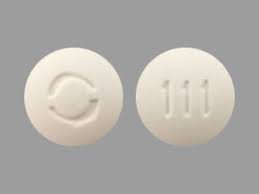
Muscle pain and spasms can significantly affect daily life, and for many, soma without rx is an appealing option for quick relief. Soma (Carisoprodol) is a prescription muscle relaxant widely used in the U.S., but not everyone has easy access to a doctor or prefers an over-the-counter alternative. This guide explores legal, safe ways to obtain Soma without a prescription, potential risks, dosage guidelines, and expert tips to help you manage muscle discomfort effectively.
Soma, also known as Carisoprodol, is a prescription muscle relaxant used to treat:
-
Acute musculoskeletal pain
-
Muscle spasms
-
Back pain and tension
It works by blocking pain signals between the nerves and the brain, providing temporary relief. Typically, doctors prescribe Soma alongside rest, physical therapy, or non-steroidal anti-inflammatory drugs (NSAIDs) like ibuprofen.
Several reasons drive the demand for soma without rx in the U.S.:
-
Difficulty in getting a doctor’s appointment
-
Desire for immediate relief from chronic pain
-
Avoiding repeated prescriptions for short-term injuries
However, it’s crucial to understand the legal and health implications before attempting to obtain Soma without a prescription.
Carisoprodol is classified as a Schedule IV controlled substance in the United States. This means:
-
A prescription is legally required for purchase
-
Possessing Soma without RX can lead to fines or legal penalties
-
Buying from unverified sources online carries risks like counterfeit pills or contamination
If obtaining Soma without a prescription seems risky, consider these legal options:
Over-the-Counter Muscle Relaxants
-
Methocarbamol (Robaxin) – OTC in some states
-
Magnesium supplements – can help with muscle cramps
Topical Pain Relievers
-
Lidocaine patches
-
Menthol or capsaicin creams
Natural Remedies
-
Heat or ice therapy
-
Physical therapy exercises
-
Yoga and stretching
For those with access to a prescription, expert guidance is essential:
-
Standard adult dose: 250–350 mg, 3–4 times per day
-
Avoid alcohol or sedatives
-
Short-term use only (2–3 weeks recommended)
-
Do not abruptly stop after long-term use
Many people misuse Soma when trying to self-medicate:
-
Taking higher doses for faster relief
-
Mixing with alcohol or opioids
-
Prolonged use beyond the prescribed period
-
Ignoring underlying causes of muscle pain
These mistakes can lead to dependence, liver damage, or even serious overdose.
When used responsibly, Soma offers:
-
Fast relief from acute muscle pain
-
Improved mobility and comfort
-
Ability to continue physical therapy or daily tasks
Even with a prescription, potential side effects include:
-
Drowsiness and dizziness
-
Nausea and headache
-
Risk of dependence with prolonged use
-
Allergic reactions in rare cases
Comparing Soma with other muscle relaxants:
-
Soma (Carisoprodol): Prescription required, high sedation, onset 30 min, duration 4–6 hrs
-
Robaxin (Methocarbamol): Sometimes OTC, moderate sedation, onset 30–60 min, duration 4–6 hrs
-
Flexeril (Cyclobenzaprine): Prescription required, moderate sedation, onset 1 hr, duration 8–12 hrs
-
OTC Magnesium: No prescription, low sedation, variable onset, duration 24 hrs
Actionable tips for muscle pain relief without Soma:
-
Maintain proper posture to reduce strain
-
Use ergonomic equipment at work
-
Apply heat packs or ice therapy
-
Regular stretching and strength exercises
-
Consult a licensed healthcare professional
Even if the temptation exists to buy Soma without a prescription, prioritize:
-
Consulting a pharmacist or telemedicine doctor
-
Avoiding illegal online sellers
-
Combining non-drug therapies for pain relief
-
Monitoring for side effects
Frequently asked questions about Soma without RX:
-
Can I legally buy Soma without RX in the U.S.?
No, Soma is a Schedule IV controlled substance. Any purchase without a prescription is illegal and may carry serious legal consequences. -
Are there safe alternatives to Soma without RX?
Yes. OTC muscle relaxants like Methocarbamol, topical creams, and physical therapy are safe alternatives for managing muscle pain. -
Can Soma be used long-term?
No, even with a prescription, Soma is intended for short-term use (2–3 weeks). Long-term use increases dependency and side effect risks. -
What are the side effects of using Soma without RX?
Side effects may include drowsiness, dizziness, nausea, and increased risk of overdose. Using unverified online sources also risks counterfeit products. -
How fast does Soma work?
Soma typically begins to relieve muscle pain within 30 minutes after ingestion when taken as prescribed. -
Can I combine Soma with alcohol?
No, combining Soma with alcohol or sedatives can dangerously increase drowsiness, respiratory depression, and overdose risk. -
Are natural alternatives as effective as Soma?
Natural alternatives like heat therapy, stretching, and magnesium supplements can provide relief for mild to moderate pain, but may not match the rapid effect of Soma.
While the idea of soma without rx is appealing for immediate muscle relief, the legal and health risks in the U.S. make it unsafe to pursue through unauthorized sources. Instead, explore legal alternatives like OTC muscle relaxants, topical treatments, and physical therapy. When prescription Soma is necessary, follow professional guidance closely to maximize benefits and minimize risks. Prioritizing safety, legality, and long-term wellness is the key to effectively managing muscle pain.