Carisoprodol vs methocarbamol is one of the most searched comparisons among Americans dealing with muscle pain. Whether you’re struggling with back spasms, a sports injury, or post-surgery stiffness, choosing the right muscle relaxant can make a major difference in recovery and safety.
Both medications are prescribed for short-term relief of acute musculoskeletal pain. However, they differ in strength, safety profile, addiction risk, cost, and how commonly they are prescribed in the United States today.
This comprehensive guide explains everything you need to know about carisoprodol vs methocarbamol, from basic differences to advanced safety considerations, so you can have an informed conversation with your healthcare provider.
What Is Carisoprodol?
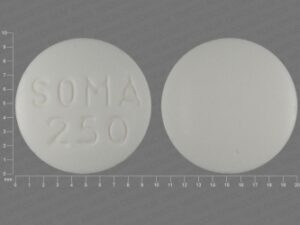
Carisoprodol is a prescription skeletal muscle relaxant sold under the brand name Soma.
It works by affecting the central nervous system (CNS). Rather than directly relaxing muscles, it blocks pain sensations between nerves and the brain. After ingestion, carisoprodol is metabolized into meprobamate, a compound with sedative and anti-anxiety properties.
Approved Uses in the United States
Doctors prescribe carisoprodol for:
-
Acute lower back pain
-
Neck strain
-
Muscle spasms after injury
-
Short-term musculoskeletal conditions
Carisoprodol is intended for short-term use only, typically no more than 2 to 3 weeks.
Controlled Substance Status
Carisoprodol is classified as a Schedule IV controlled substance in the United States due to its potential for misuse and dependence.
What Is Methocarbamol?
Methocarbamol is another prescription muscle relaxant commonly sold under the brand name Robaxin.
Like carisoprodol, methocarbamol works through the central nervous system. However, it does not convert into a sedative metabolite like meprobamate.
It reduces nerve impulses that trigger muscle spasms and discomfort.
Approved Uses
Methocarbamol is prescribed for:
-
Acute muscle spasms
-
Back pain
-
Sports injuries
-
Post-traumatic muscle pain
-
Adjunct therapy for tetanus
Unlike carisoprodol, methocarbamol is not federally classified as a controlled substance.
Carisoprodol vs Methocarbamol: Key Differences
Understanding the differences between carisoprodol vs methocarbamol is essential for safe treatment decisions.
Controlled Substance Classification
-
Carisoprodol: Schedule IV controlled substance
-
Methocarbamol: Not scheduled federally
This affects prescribing patterns across many U.S. states.
Abuse and Dependence Risk
Carisoprodol carries a higher risk of:
-
Physical dependence
-
Tolerance
-
Withdrawal symptoms
-
Recreational misuse
Methocarbamol has significantly lower abuse potential.
Sedation Level
Carisoprodol tends to cause stronger sedation. Some patients report feeling calm or euphoric.
Methocarbamol causes milder sedation and less mental impairment in most users.
Duration of Action
-
Carisoprodol: Approximately 4–6 hours
-
Methocarbamol: Approximately 4–8 hours
Typical Dosage
Carisoprodol:
-
250–350 mg three times daily and at bedtime
Methocarbamol:
-
500–750 mg up to four times daily
Effectiveness: Carisoprodol vs Methocarbamol
When comparing carisoprodol vs methocarbamol for effectiveness, results depend on individual needs.
For Severe Acute Pain
Carisoprodol may feel stronger because of its sedative metabolite. It can help patients sleep during intense muscle spasms.
For Mild to Moderate Muscle Spasms
Methocarbamol is often sufficient and preferred due to its safer profile.
Real-World U.S. Prescribing Trends
In recent years, many U.S. physicians have shifted toward methocarbamol as a first-line option. The opioid crisis and concerns about prescription drug misuse have influenced this change.
Side Effects Comparison
Common Side Effects of Carisoprodol
-
Drowsiness
-
Dizziness
-
Headache
-
Nausea
-
Risk of dependence
Common Side Effects of Methocarbamol
-
Drowsiness
-
Blurred vision
-
Lightheadedness
-
Stomach upset
Serious Risks in Carisoprodol vs Methocarbamol
Carisoprodol has higher risk for:
-
Withdrawal symptoms
-
Overdose when combined with opioids
-
CNS depression
Methocarbamol generally has fewer abuse-related complications.
Safety Considerations in the United States
Both medications interact with:
-
Opioids
-
Benzodiazepines
-
Alcohol
-
Sleep medications
Combining these substances increases the risk of respiratory depression.
Who Should Avoid Carisoprodol?
-
Patients with a history of substance misuse
-
Elderly adults
-
Those taking opioid pain medications
Who Should Avoid Methocarbamol?
-
Patients with severe kidney disease
-
Individuals sensitive to CNS depressants
Cost Comparison in the United States
When comparing carisoprodol vs methocarbamol, cost differences are generally small.
Approximate generic pricing:
-
Carisoprodol: $10–$30 per month
-
Methocarbamol: $10–$25 per month
Insurance coverage varies. Some insurers restrict carisoprodol prescriptions due to abuse risk.
Carisoprodol vs Methocarbamol for Back Pain
Lower back pain is one of the most common reasons Americans are prescribed muscle relaxants.
Example scenario:
A warehouse worker in Ohio with acute lumbar strain may receive methocarbamol if daytime alertness is important. If pain severely disrupts sleep, a short course of carisoprodol might be considered.
Carisoprodol vs Methocarbamol for Sports Injuries
Athletes often prefer methocarbamol because:
-
Less sedation
-
Lower addiction risk
-
Better daytime function
Coaches and sports physicians typically avoid carisoprodol unless absolutely necessary.
Pros and Cons of Carisoprodol vs Methocarbamol
Carisoprodol Pros:
-
Strong sedation
-
Fast relief
-
Helpful for short-term severe spasms
Carisoprodol Cons:
-
Controlled substance
-
High abuse potential
-
Withdrawal risk
-
Not ideal long term
Methocarbamol Pros:
-
Safer long-term profile
-
Not controlled
-
Lower abuse risk
-
Widely prescribed
Methocarbamol Cons:
-
May feel less potent
-
Requires multiple daily doses
Common Mistakes When Comparing Carisoprodol vs Methocarbamol
-
Assuming stronger equals better
-
Ignoring addiction potential
-
Mixing with alcohol
-
Taking medication longer than prescribed
-
Driving before understanding sedation effects
Best Practices When Choosing Between Carisoprodol vs Methocarbamol
-
Be honest about your medical history.
-
Use only for short-term relief.
-
Avoid alcohol completely.
-
Follow dosing instructions carefully.
-
Combine medication with stretching or physical therapy.
Muscle relaxants work best when paired with rehabilitation strategies.
Withdrawal Considerations in Carisoprodol vs Methocarbamol
Carisoprodol withdrawal symptoms may include:
-
Insomnia
-
Anxiety
-
Tremors
-
Nausea
-
Hallucinations in severe cases
Methocarbamol rarely causes withdrawal symptoms when stopped.
This is a major factor in the carisoprodol vs methocarbamol safety comparison.
Advanced Clinical Perspective on Carisoprodol vs Methocarbamol
Modern U.S. prescribing guidelines emphasize minimizing addiction risk. Because carisoprodol converts into meprobamate, many providers limit its use.
Methocarbamol aligns better with current opioid-sparing and risk-reduction strategies. State prescription monitoring programs also track controlled medications like carisoprodol more closely.
As a result, methocarbamol is often preferred in primary care settings.
Frequently Asked Questions About Carisoprodol vs Methocarbamol
What is the biggest difference in carisoprodol vs methocarbamol?
The biggest difference in carisoprodol vs methocarbamol is that carisoprodol is a Schedule IV controlled substance with higher abuse risk, while methocarbamol is not controlled federally.
Is carisoprodol stronger than methocarbamol?
In carisoprodol vs methocarbamol comparisons, carisoprodol often feels stronger because of its sedative metabolite, but that does not necessarily mean it is safer.
Which is safer, carisoprodol vs methocarbamol?
Most healthcare providers consider methocarbamol safer in the carisoprodol vs methocarbamol debate due to lower addiction and withdrawal risks.
Can you switch from carisoprodol to methocarbamol?
Yes. Many patients transition from carisoprodol vs methocarbamol under medical supervision, especially if longer-term therapy is needed.
Is carisoprodol vs methocarbamol better for back pain?
In most cases, methocarbamol is preferred for back pain because it offers effective relief with a better safety profile.
Does carisoprodol vs methocarbamol cause addiction?
Carisoprodol carries a higher risk of addiction compared to methocarbamol when evaluating carisoprodol vs methocarbamol safety.
Final Verdict on Carisoprodol vs Methocarbamol
When comparing carisoprodol vs methocarbamol, the right choice depends on your medical history, pain severity, and risk factors.
Carisoprodol may offer stronger short-term sedation but carries significant risks, including dependence and withdrawal. Methocarbamol provides reliable muscle relaxation with a safer overall profile.
For most U.S. patients, methocarbamol is the preferred first-line option. However, individual circumstances vary, and decisions should always be made with a licensed healthcare provider.
Medical Disclaimer: This content is for informational purposes only and does not replace professional medical advice. Always consult your healthcare provider regarding carisoprodol vs methocarbamol treatment decisions.