

Contraxen: Complete Guide for Safe and Effective Use in the United States
If you’re exploring options for muscle relaxation, pain relief, or treating certain conditions, Contraxen is a name you might encounter. But what exactly is Contraxen, how does it work, and is it safe? This guide provides a complete, expert-level overview to help users in the United States understand and use Contraxen effectively.
What is Contraxen?
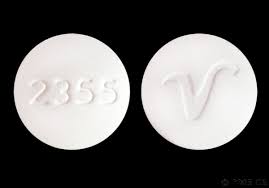
Contraxen is a prescription muscle relaxant commonly used to relieve muscle spasms, stiffness, and discomfort caused by acute musculoskeletal conditions. Its active ingredient works by targeting the central nervous system to relax muscles and alleviate pain.
In the United States, Contraxen is prescribed by healthcare professionals for patients dealing with conditions such as:
-
Acute back pain
-
Neck strains or injuries
-
Muscle spasms due to injury or overuse
-
Postoperative muscle discomfort
Contraxen is not intended for chronic long-term pain management and should always be used under the guidance of a physician.
How Contraxen Works
Contraxen functions primarily as a central nervous system (CNS) depressant. By acting on certain nerve pathways in the brain and spinal cord, it reduces involuntary muscle contractions, allowing for:
-
Reduced pain and discomfort
-
Increased mobility
-
Improved recovery from injury
It is important to note that while Contraxen helps relieve symptoms, it does not treat the underlying cause of muscle injury. Therefore, combining its use with physical therapy or other medical interventions is often recommended.
Benefits of Contraxen
Using Contraxen as prescribed can offer several advantages:
-
Fast-Acting Muscle Relief – Provides noticeable reduction in muscle spasms within hours of intake.
-
Enhanced Mobility – Reduces stiffness, making daily activities easier.
-
Complementary Pain Management – Can be combined with over-the-counter pain relievers for more effective symptom control.
-
Short-Term Use Safety – When used for acute conditions, it is generally safe and well-tolerated.
Dosage and Administration
Contraxen is usually available in tablet form and is administered orally. While exact dosages vary based on patient needs, the following guidelines are standard in the US:
-
Typical adult dose: 250–350 mg, 3–4 times daily
-
Take with water, preferably after meals to reduce stomach irritation
-
Duration: Usually prescribed for 2–3 weeks, depending on the severity of the condition
Important: Avoid exceeding prescribed doses, as misuse can increase the risk of side effects, dependency, or serious complications.
Possible Side Effects of Contraxen
Like any prescription medication, Contraxen may cause side effects. Common side effects include:
-
Drowsiness or fatigue
-
Dizziness or lightheadedness
-
Headache
-
Nausea or upset stomach
Serious side effects are rare but require immediate medical attention:
-
Allergic reactions (rash, itching, swelling)
-
Confusion or hallucinations
-
Irregular heartbeat or severe fatigue
Patients with liver or kidney conditions should consult their physician before use.
Contraxen vs Other Muscle Relaxants
When considering muscle relaxants, it’s helpful to compare Contraxen with other common options:
| Medication | Strengths | Considerations |
|---|---|---|
| Contraxen | Fast-acting, effective for acute spasms | Short-term use, may cause drowsiness |
| Flexeril (Cyclobenzaprine) | Effective for chronic spasms | Can cause dry mouth and dizziness |
| Soma (Carisoprodol) | Strong muscle relaxant | Higher risk of dependency |
| Robaxin (Methocarbamol) | Fewer sedative effects | May require higher doses |
Key takeaway: Contraxen is ideal for short-term relief and targeted therapy, especially in acute injury situations.
Common Mistakes When Using Contraxen
Many users make avoidable mistakes that reduce the effectiveness of Contraxen:
-
Taking more than the prescribed dose for faster relief
-
Combining with alcohol or sedatives, which increases drowsiness
-
Using long-term without consulting a doctor
-
Ignoring underlying causes of muscle spasms (like posture or injury)
Avoiding these mistakes ensures safer and more effective treatment.
Best Practices for Safe Use
To maximize the benefits of Contraxen while minimizing risks:
-
Follow your doctor’s prescribed dosage strictly.
-
Take the medication with food to reduce stomach upset.
-
Avoid driving or operating machinery if drowsy.
-
Combine with gentle stretching or physiotherapy for long-term recovery.
-
Store in a secure location to prevent misuse.
Real-World Example: Contraxen in Action
Consider John, a 42-year-old office worker in the US, who developed severe lower back spasms due to prolonged sitting. His physician prescribed Contraxen 350 mg, three times daily, for two weeks. Within 48 hours, John noticed reduced stiffness, improved mobility, and less pain, allowing him to resume normal work activities without the discomfort that had disrupted his daily routine.
This example illustrates how Contraxen provides rapid relief when used correctly, under medical supervision.
FAQs About Contraxen
Q1: What is Contraxen used for?
A1: Contraxen is used to relieve muscle spasms, stiffness, and acute musculoskeletal pain. It is prescribed in the United States for short-term management of muscle-related conditions.
Q2: How long does Contraxen take to work?
A2: Contraxen typically provides noticeable relief within a few hours of intake, making it effective for acute muscle discomfort.
Q3: Can Contraxen be used for chronic pain?
A3: No. Contraxen is intended for short-term relief of acute muscle spasms. Chronic pain should be managed with other therapies under a doctor’s guidance.
Q4: Is Contraxen safe with other medications?
A4: It can interact with alcohol, sedatives, and certain prescription medications. Always consult your physician before combining treatments.
Q5: What are the side effects of Contraxen?
A5: Common side effects include drowsiness, dizziness, and nausea. Serious side effects are rare but may require immediate medical attention.
Q6: Can I drive after taking Contraxen?
A6: Drowsiness is common. Avoid driving or operating machinery until you know how Contraxen affects you.
Q7: How should Contraxen be stored?
A7: Keep it in a cool, dry place away from children. Proper storage prevents misuse and maintains efficacy.
Q8: Can I take Contraxen with over-the-counter pain relievers?
A8: Yes, combining with OTC pain relievers like acetaminophen is common, but always follow your physician’s recommendations.
Conclusion
Contraxen is a trusted solution for short-term relief of acute muscle spasms and discomfort in the United States. By following proper dosage, avoiding common mistakes, and combining with physical therapy or lifestyle adjustments, users can experience effective symptom management safely.
Whether you are recovering from an injury, managing sudden muscle pain, or seeking expert guidance, Contraxen offers a reliable option for improving mobility and reducing discomfort. Always consult a healthcare professional before starting treatment to ensure the best outcomes.