

Introduction
Millions of Americans rely on muscle relaxants like Soma for relief from acute pain, muscle spasms, or injuries. But many wonder, “Is Soma a narcotic?” Understanding its classification is crucial for safe usage, avoiding dependency, and navigating legal regulations. In this guide, we break down everything you need to know about Soma, its effects, potential risks, and best practices for safe use in the United States.
What Is Soma?
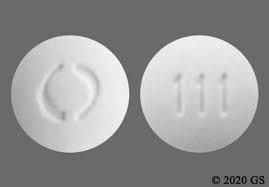
Soma is the brand name for Carisoprodol, a prescription medication primarily used to relieve acute musculoskeletal pain. It works by targeting the central nervous system to relax muscles and reduce discomfort caused by injuries, strains, or chronic tension.
-
Form: Tablet
-
Strengths: 250 mg, 350 mg
-
Typical Use: Short-term treatment (usually 2–3 weeks)
-
Prescription Status: Schedule IV controlled substance in the U.S.
Is Soma a Narcotic?
The short answer is no, Soma is not classified as a narcotic.
Explanation:
-
Narcotics, also known as opioids, are drugs that primarily act on opioid receptors to relieve pain and have a high potential for dependency (e.g., oxycodone, morphine).
-
Soma is a muscle relaxant, not an opioid. Its mechanism targets the central nervous system differently and does not directly bind to opioid receptors.
However:
-
Soma can still cause euphoria, drowsiness, and dependency if misused.
-
Due to its abuse potential, the DEA classifies it as a Schedule IV controlled substance.
Key Difference:
| Feature | Narcotic | Soma (Carisoprodol) |
|---|---|---|
| Primary Action | Opioid receptor agonist | CNS muscle relaxant |
| Dependency Risk | High | Moderate, especially if abused |
| Legal Status | Schedule II-IV depending on drug | Schedule IV |
| Common Side Effects | Euphoria, constipation, sedation | Drowsiness, dizziness, headache |
How Soma Works in the Body
Soma works centrally in the spinal cord and brain to block interneuronal activity that transmits pain signals. This results in:
-
Reduced muscle spasms
-
Temporary relief from acute pain
-
Improved mobility and function
It is metabolized in the liver and excreted through urine. Misuse or overdose can increase risks of sedation, impaired coordination, or even respiratory depression.
Benefits of Soma
Using Soma as prescribed can provide:
-
Fast relief from acute musculoskeletal pain
-
Decreased muscle stiffness and spasms
-
Improved daily function and mobility
-
Short-term enhanced recovery after injury
Example:
A construction worker with a back strain may take Soma for 2 weeks alongside physical therapy to regain normal function without relying on opioids.
Risks and Side Effects
While Soma is effective, users must be aware of potential side effects:
-
Common Side Effects: Drowsiness, dizziness, headache, nausea
-
Serious Side Effects: Allergic reactions, slowed breathing, seizures
-
Dependency Risk: Moderate with misuse or prolonged use
-
Drug Interactions: Alcohol, opioids, or other CNS depressants increase sedation risk
Who Should Avoid Soma?
-
Patients with a history of substance abuse
-
People with liver or kidney problems
-
Individuals taking CNS depressants or opioids
-
Pregnant or breastfeeding women (consult a physician)
How to Take Soma Safely
-
Only use as prescribed by a licensed U.S. physician
-
Typically, 250–350 mg, 3 times daily
-
Avoid driving or operating machinery
-
Do not combine with alcohol or opioids
-
Short-term use is recommended (usually ≤ 3 weeks)
Best Practices:
-
Keep a medication journal to track dose and effects
-
Use non-drug therapies like physical therapy and stretching
-
Consult a doctor immediately if experiencing unusual side effects
Common Mistakes When Using Soma
-
Extending use beyond prescribed time – increases dependency risk
-
Combining with alcohol or sedatives – can be dangerous
-
Self-adjusting doses – may lead to overdose
-
Ignoring physician guidance – can worsen underlying issues
Soma vs Narcotics: Key Comparisons
Although not a narcotic, Soma shares some similarities:
-
Both can cause sedation
-
Both require prescription in the U.S.
-
Both have potential for misuse
Differences:
-
Soma is primarily a muscle relaxant, not a pain-relieving opioid
-
Narcotics have a higher risk of addiction and strict regulations
-
Soma is generally used short-term, while narcotics may be prescribed for longer chronic pain management
FAQs About “Is Soma a Narcotic?”
Q1: Is Soma considered a narcotic in the U.S.?
A1: No, Soma is not a narcotic. It’s a Schedule IV muscle relaxant, not an opioid.
Q2: Can Soma be addictive like narcotics?
A2: While not as addictive as narcotics, Soma can still lead to dependency if misused or taken long-term.
Q3: Can I take Soma with other pain medications?
A3: Soma should not be combined with opioids or alcohol without medical supervision, as this increases sedation risk.
Q4: Does Soma cause euphoria like narcotics?
A4: Some users may feel mild euphoria, which is why it’s a controlled substance, but the effect is weaker than narcotics.
Q5: How is Soma different from opioid painkillers?
A5: Soma relaxes muscles through the central nervous system, whereas opioids directly target pain receptors and carry higher addiction risk.
Q6: Is Soma safe for long-term use?
A6: No, Soma is intended for short-term use, typically 2–3 weeks, to minimize dependency and side effects.
Q7: How should I dispose of Soma safely?
A7: Follow FDA guidelines: return unused pills to a pharmacy take-back program or follow local disposal instructions.
Conclusion
In conclusion, the question “Is Soma a narcotic?” is common among U.S. patients seeking safe muscle pain relief. While Soma is not a narcotic, it is a controlled substance with moderate dependency potential. Used responsibly and under a physician’s guidance, Soma can provide effective short-term relief from muscle spasms and injuries. Understanding its effects, risks, and best practices ensures safe and beneficial outcomes for anyone needing temporary muscle relaxation