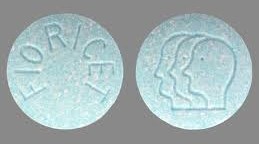

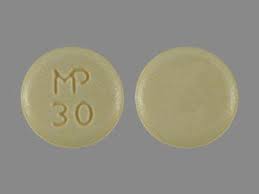
Anxiety, panic attacks, and insomnia affect millions of Americans every year. Among prescription options, klonopin vs ativan are two commonly prescribed medications, both belonging to the benzodiazepine class. Understanding their differences, benefits, and potential risks is crucial for safe and effective treatment. This guide will help you navigate ativan vs klonopin choices with expert insights tailored to US users.
Before comparing, it’s essential to understand what each drug is and how it works. Klonopin, or clonazepam, is commonly used for panic disorder, seizure control, and general anxiety relief. It enhances GABA neurotransmitters in the brain to reduce nervous activity. Klonopin is long-acting, typically lasting 6–12 hours, which makes it suitable for ongoing anxiety control.
Ativan, or lorazepam, is often prescribed for acute anxiety episodes, insomnia, or pre-surgical sedation. It also boosts GABA activity to calm overactive brain regions but is short-acting, generally lasting 3–8 hours, making it ideal for sudden anxiety spikes.
Here’s a quick comparison of klonopin vs ativan:
-
Duration: Klonopin is long-acting (6–12 hours), while Ativan is short-acting (3–8 hours).
-
Typical Uses: Klonopin is used for panic attacks, generalized anxiety, and seizures; Ativan is for acute anxiety, short-term relief, and insomnia.
-
Onset of Action: Klonopin takes 20–60 minutes to work; Ativan acts faster in 15–30 minutes.
-
Dependence Risk: Klonopin has moderate dependence potential; Ativan carries a higher risk if used long-term.
-
Ideal Use Case: Use Klonopin for ongoing anxiety management and Ativan for immediate symptom relief.
Choosing between ativan vs klonopin depends on several factors. Consider the severity of your anxiety—sudden panic attacks may require Ativan, while chronic anxiety may benefit from Klonopin. Also, think about duration needs, side effects tolerance, and lifestyle impact. Klonopin may cause prolonged sedation, whereas Ativan can interfere less with daily functioning if used as needed.
Benefits of Klonopin include:
-
Long-lasting relief from chronic anxiety
-
Reduced frequency of panic attacks
-
Helpful in seizure management
-
Fewer daily doses required due to long half-life
Benefits of Ativan include:
-
Fast-acting for sudden anxiety spikes
-
Useful in hospital or acute care settings
-
Can aid sleep in anxiety-related insomnia
-
Flexible short-term dosing
Potential side effects of Klonopin are drowsiness, memory impairment, and risk of dependence with long-term use. Potential side effects of Ativan include dizziness, rapid tolerance, and a higher risk of withdrawal in prolonged use.
Common mistakes when using these medications:
-
Mixing with alcohol, which increases sedation and overdose risk
-
Skipping prescribed doses, leading to withdrawal or seizure
-
Long-term use without supervision, increasing dependence risk
-
Assuming both drugs are interchangeable, which may worsen symptoms
Best practices for safe use:
-
Follow your physician’s dosing instructions strictly
-
Avoid combining with alcohol or other sedatives
-
Keep a symptom diary to monitor effectiveness and side effects
-
Discuss alternative therapies if dependence risk increases
-
Taper gradually under medical supervision when discontinuing
Real-world examples:
-
Jane experiences sudden panic attacks at work. Her doctor prescribes Ativan for quick relief, highlighting the importance of ativan vs klonopin choice for acute episodes.
-
Michael struggles with ongoing generalized anxiety. A long-term regimen of Klonopin helps him manage symptoms effectively, demonstrating the advantage of klonopin vs ativan for chronic anxiety.
FAQs:
1. What is better for long-term anxiety, Klonopin vs Ativan?
Klonopin is generally preferred for long-term anxiety due to its longer duration and steady effect. Ativan is more suitable for short-term or acute episodes.
2. Can I switch between Ativan vs Klonopin safely?
Switching should always be done under a physician’s supervision to prevent withdrawal symptoms or increased anxiety.
3. What are the main side effects of Klonopin vs Ativan?
Klonopin may cause drowsiness and memory issues, while Ativan may lead to dizziness, rapid tolerance, and higher withdrawal risk.
4. How quickly does Ativan vs Klonopin work?
Ativan acts within 15–30 minutes, making it ideal for sudden anxiety. Klonopin takes 20–60 minutes but lasts longer for ongoing management.
5. Is one more addictive, Klonopin vs Ativan?
Both carry dependence risk, but Ativan may have higher short-term addiction potential due to its rapid action.
6. Can Klonopin vs Ativan help with insomnia?
Ativan is often used for short-term insomnia, while Klonopin may help if anxiety disrupts sleep.
7. Are there alternatives to Klonopin vs Ativan?
Yes, SSRIs or therapy-based treatments are alternatives for chronic anxiety, though benzodiazepines like Klonopin and Ativan remain fast-acting options.
Choosing between klonopin vs ativan requires understanding your specific anxiety patterns, treatment goals, and potential side effects. Klonopin works best for ongoing anxiety management, while Ativan excels in acute, short-term relief. Consulting a US-licensed physician ensures safe, effective use and minimizes risks, allowing patients to manage anxiety while maintaining daily life balance.