

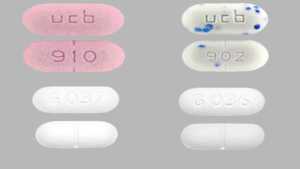
What is the Soma Pill?
The soma pill (generic name: carisoprodol) is a prescription muscle relaxant primarily prescribed for short-term relief of discomfort caused by acute muscle pain and injuries. It works by affecting the central nervous system, relaxing muscles, and reducing the pain associated with muscle spasms.
Key Facts About the Soma Pill:
-
Prescription-only medication in the USA
-
Usually taken orally in tablet form
-
Commonly prescribed for 2–3 weeks for acute pain
-
May cause drowsiness and dizziness
How the Soma Pill Works
The soma pill does not act directly on the muscles themselves but rather on the brain and spinal cord to block pain sensations. By depressing neuronal activity, it helps reduce the intensity of muscle spasms and promotes relaxation.
Mechanism of Action:
-
Carisoprodol metabolizes in the liver into meprobamate, a sedative
-
It inhibits pain signal transmission in the central nervous system
-
Results in temporary relief from acute musculoskeletal discomfort
Why This Matters for US Patients:
For Americans with demanding jobs or active lifestyles, the soma pill provides temporary relief that allows individuals to continue daily activities while undergoing physical therapy or other treatments.
Common Uses of the Soma Pill
The soma pill is prescribed for various musculoskeletal conditions, including:
-
Lower back pain
-
Muscle strains and sprains
-
Tension from sports injuries
-
Short-term relief during recovery from surgery
Dosage Guidelines in the USA
Dosage should always follow a healthcare provider’s prescription. Typical instructions for adults:
-
Recommended dose: 250–350 mg, 3 times a day
-
Duration: Usually up to 2–3 weeks
-
With or without food: Can be taken with food to reduce stomach upset
-
Avoid alcohol: Combining with alcohol can increase drowsiness
Important: Misuse or long-term use may increase the risk of dependency.
Benefits of the Soma Pill
-
Rapid relief: Often provides relief within 30 minutes
-
Enhanced mobility: Helps patients participate in physical therapy
-
Reduces inflammation indirectly: By relaxing tense muscles
-
Short-term effectiveness: Provides temporary comfort without long-term opioid use
Potential Side Effects
While generally safe when prescribed correctly, the soma pill may cause:
-
Drowsiness or fatigue
-
Dizziness or headache
-
Nausea or upset stomach
-
Rare allergic reactions
Serious Risks:
-
Dependency or abuse
-
Liver metabolism issues
-
Interaction with other sedatives or alcohol
Best Practices for Using Soma Pill
-
Follow your prescription exactly; do not exceed the recommended dose.
-
Take with water and avoid alcohol or sedatives.soma pill
-
Limit use to short-term periods to prevent dependency.
-
Use alongside physical therapy for better long-term outcomes.
-
Store safely out of reach of children.
Common Mistakes with Soma Pill Use
-
Taking more than prescribed in hopes of faster relief
-
Driving or operating machinery while drowsy
-
Ignoring drug interactions with antidepressants or alcohol
-
Using for chronic pain without doctor supervision
Soma Pill vs. Other Muscle Relaxers
Feature comparison:
| Feature | Soma Pill | Flexeril | Robaxin |
|---|---|---|---|
| Generic Name | Carisoprodol | Cyclobenzaprine | Methocarbamol |
| Onset | 30 min | 1 hour | 30–60 min |
| Duration | 4–6 hours | 12–24 hours | 4–6 hours |
| Dependency Risk | Moderate | Low | Low |
Key Takeaway: The soma pill is fast-acting but carries a higher dependency risk than alternatives.
Actionable Tips for Safe Usage
-
Combine with light stretching and physical therapy
-
Avoid abrupt discontinuation after long-term use
-
Report unusual side effects to your doctor immediately
-
Keep a medication log to track dose times
FAQs About the Soma Pill
Q1: What is a soma pill used for?
A1: The soma pill is used to relieve acute muscle pain and spasms, helping patients recover from strains, injuries, or tension-related discomfort.
Q2: How quickly does the soma pill work?
A2: In most adults, the soma pill starts working within 30 minutes, providing fast relief from muscle discomfort.
Q3: Can I drive after taking a soma pill?
A3: No, the soma pill may cause drowsiness or dizziness. Avoid driving or operating machinery until you know how it affects you.
Q4: Is the soma pill safe for long-term use?
A4: The soma pill is intended for short-term use (usually 2–3 weeks). Long-term use increases the risk of dependency and side effects.
Q5: Can the soma pill be taken with other medications?
A5: Consult your doctor. The soma pill can interact with alcohol, sedatives, antidepressants, and other CNS depressants.
Q6: What are common side effects of the soma pill?
A6: Common side effects of the soma pill include drowsiness, dizziness, nausea, and mild headache. Serious reactions require medical attention.
Q7: How should I store the soma pill?
A7: Store the soma pill at room temperature, away from moisture, heat, and out of reach of children to ensure safety.
Conclusion
The soma pill remains a valuable tool for Americans seeking temporary relief from acute muscle pain and spasms. When used correctly under medical supervision, it can improve mobility, reduce discomfort, and support recovery. Remember to follow prescription guidelines, combine with physical therapy, and stay aware of potential side effects for safe and effective use. By understanding how the soma pill works, US patients can make informed decisions for their muscle health.