
Introduction
If you’ve ever experienced acute muscle pain or spasms, you may have come across the term “Soma.” But what is Soma, and how does it work to relieve muscle discomfort? Soma is a prescription medication widely used in the United States for short-term relief of muscle pain, stiffness, and spasms caused by injuries, strains, or chronic conditions. Understanding how Soma works, its benefits, potential risks, and proper usage is essential for safe and effective treatment. This comprehensive guide will take you from beginner knowledge to expert-level understanding, helping you make informed decisions about this widely prescribed medication.
What Is Soma?
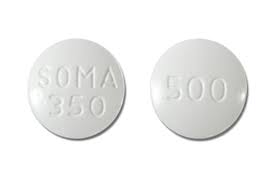
Soma is the brand name for carisoprodol, a prescription muscle relaxer designed to treat musculoskeletal pain. It works by blocking pain signals between the nerves and the brain, providing temporary relief from discomfort. Unlike anti-inflammatory medications, Soma primarily targets the central nervous system to relax muscles rather than treating inflammation.
Key Facts About Soma:
-
Generic Name: Carisoprodol
-
Drug Class: Muscle relaxant
-
Common Forms: 250 mg and 350 mg tablets
-
Prescription Status: Prescription-only in the U.S.
-
Duration: Typically prescribed for short-term use (2–3 weeks)
How Soma Works
Soma works by depressing the central nervous system, which reduces muscle spasms and pain signals. While the exact mechanism isn’t fully understood, its effectiveness in relaxing muscles is well documented in clinical studies.
Mechanism of Action:
-
Nerve Signal Suppression: Soma interrupts communication between the nerves and brain.
-
Muscle Relaxation: Reduces involuntary muscle contractions.
-
Pain Relief: Temporarily alleviates discomfort associated with musculoskeletal conditions.
Real-World Example:
A construction worker with a sudden back strain may experience immediate relief after taking Soma, allowing them to rest or continue light activities safely.
Uses of Soma
Soma is prescribed for multiple conditions involving muscle pain and spasms, including:
-
Acute musculoskeletal injuries (e.g., strains, sprains)
-
Tension-related neck or back pain
-
Post-surgical muscle discomfort
-
Chronic conditions causing occasional flare-ups
Benefits:
-
Rapid relief from muscle spasms
-
Improved mobility and daily function
-
Short-term use reduces reliance on stronger pain medications
Dosage and Administration
-
Typical Dose: 250 mg to 350 mg, 3 times daily and at bedtime
-
Duration: Usually 2–3 weeks to prevent dependence
-
Administration Tips:
-
Take with water, can be with or without food
-
Avoid alcohol while using Soma
-
Do not abruptly stop after long-term use
-
Important Safety Notes:
-
Only take Soma under medical supervision
-
Avoid driving or operating machinery until you know how it affects you
-
Monitor for dizziness, drowsiness, or allergic reactions
Soma vs. Other Muscle Relaxers
Comparing Soma with similar medications can help users understand its unique benefits:
| Feature | Soma (Carisoprodol) | Cyclobenzaprine | Methocarbamol |
|---|---|---|---|
| Onset | 30 mins | 60 mins | 30 mins |
| Sedation | Moderate | High | Low |
| Duration | 4–6 hrs | 6–8 hrs | 4–6 hrs |
| Prescription Required | Yes | Yes | Yes |
| Common Use | Acute muscle pain | Chronic muscle spasm | Acute strains |
Pros and Cons of Soma
Pros:
-
Quick muscle relaxation
-
Short-term pain relief
-
Effective for acute injuries
Cons:
-
Risk of dependency if overused
-
Drowsiness or dizziness
-
Not suitable for long-term chronic pain management
Common Mistakes When Using Soma
-
Extended Use Beyond Prescription: Increases dependency risk.
-
Mixing With Alcohol or CNS Depressants: Can cause severe drowsiness or breathing issues.
-
Ignoring Medical Advice: Using for conditions not prescribed may lead to adverse effects.
-
Skipping Doses: May reduce effectiveness, but never double doses to compensate.
Best Practices for Soma Use
-
Follow your doctor’s prescribed dosage and schedule.
-
Combine with rest, physiotherapy, or light exercises for faster recovery.
-
Store in a secure place to prevent misuse.
-
Inform your healthcare provider about other medications or health conditions.
Side Effects of Soma
Most side effects are mild and temporary, but users should be aware:
-
Drowsiness or dizziness
-
Headache
-
Nausea
-
Rare allergic reactions like rash or difficulty breathing
When to Seek Help:
-
Severe dizziness or fainting
-
Rapid heartbeat or confusion
-
Signs of allergic reaction
FAQs About “What Is Soma”
Q1: What is Soma used for?
A: Soma is used to relieve acute muscle pain and spasms. It works best for short-term musculoskeletal conditions.
Q2: How quickly does Soma work?
A: Typically, Soma takes effect within 30 minutes, helping relax muscles and reduce pain.
Q3: Can I take Soma long-term?
A: No. Soma is recommended only for short-term use (usually 2–3 weeks) due to risk of dependency.
Q4: Is Soma addictive?
A: Soma has potential for abuse and dependence if taken longer than prescribed or in higher doses.
Q5: Can I drive after taking Soma?
A: It’s not recommended, as Soma can cause drowsiness and impair alertness.
Q6: Are there alternatives to Soma?
A: Yes, alternatives include cyclobenzaprine, methocarbamol, and non-drug treatments like physiotherapy.
Q7: Can I combine Soma with painkillers?
A: Only under medical supervision. Combining with other CNS depressants can be dangerous.
Q8: What should I avoid while taking Soma?
A: Avoid alcohol, heavy machinery, and operating vehicles until you understand its effects.
Conclusion
Understanding what is Soma is crucial for safe and effective muscle pain management. As a potent short-term muscle relaxant, it can provide rapid relief for acute injuries and spasms when used responsibly. By following proper dosage, avoiding common mistakes, and consulting your healthcare provider, you can benefit from Soma’s effects while minimizing risks. Whether you’re an athlete, office worker, or dealing with a sudden strain, Soma offers a practical solution for temporary muscle relief in the United States.